
What does it really cost to start collecting art?
When I’m speaking with people who are interested in starting an art collection, the first question they ask is always the same: how much money should I set aside for my first piece? Would you believe me if I told you that you can start collecting art with as little as $200? While Art Basel and UBS estimate that experienced collectors allocate around 20% of their wealth to art, many emerging collectors start with between $500 and $2,500. A practical approach is to allocate a small percentage of your discretionary income, such as 5-10%, which provides a flexible yet thoughtful starting budget.
The Blueprint for Collecting
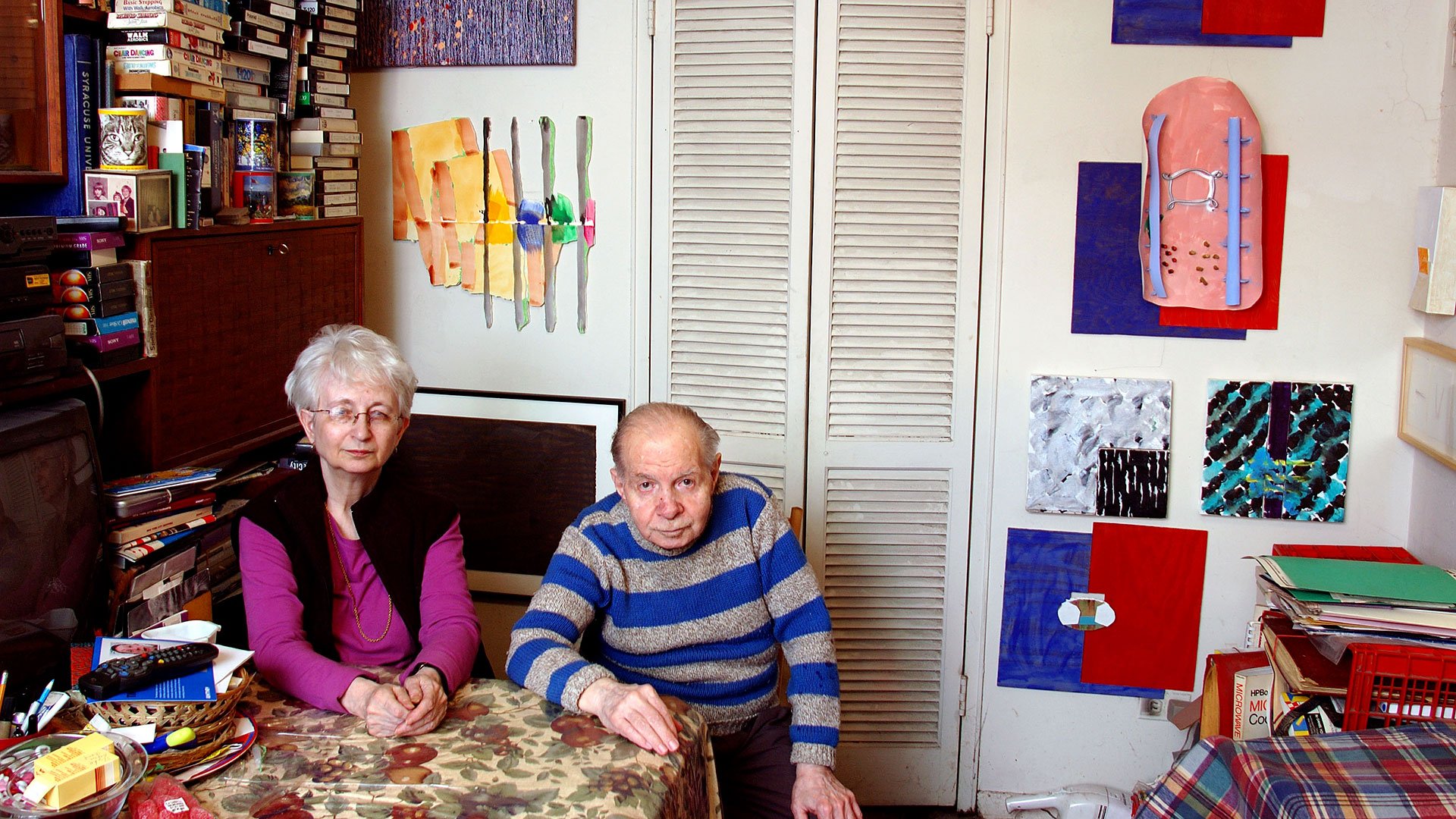
One of my favorite stories is about collectors Herbert and Dorothy Vogel. Herbert was a postal worker in New York City, and Dorothy was a librarian at the Brooklyn Public Library. Together they lived in a simple Manhattan apartment on modest salaries, and decided to use Dorothy's paycheck on living expenses while using Herbert's to purchase art. They collected what they loved and, in the process, built one of the most important collections of post-war and minimalist art in the world.
By the early 1990s, the Vogels had developed deep connections with artists and collected thousands of works from then-unknown artists like Sol LeWitt and Carl Andre. They built a museum-quality collection from their point of view and showed that collecting can be about more than status and price point. Beginners can take practical steps from the Vogels' story: consider setting aside a fixed portion of your income for art and make regular visits to local galleries to discover and support emerging artists. Their approach shows that, with dedication and a love of the art, anyone can build a meaningful collection.
Herbert & Dorothy Vogel
5W1H: How to Decide What To Collect
How much or how little you pay for an artwork comes down to the 5W1H method: who, what, when, where, why, and how.
1. Who
Who you buy refers to the artist that you are purchasing. It goes without saying that a Picasso or Monet will cost you a lot more than a relatively unknown artist who is 2-3 years removed from art school. Similarly, if a newer artist has just had a feature in a major art magazine like ArtForum or a rising photographer has just shot a celebrity on the cover of Vogue, then the price of their work will undoubtedly be higher than that of their peers who have not achieved the same notoriety.
2. What
What you buy refers to the type of artwork you are purchasing. It includes the full range of visual art forms, including painting, drawing, sculpture, photography, and ceramics. The size and materials of the piece will also affect what you pay. For example, a larger painting by the same artist will typically cost more than a smaller one.
3. When
When you buy refers to the timing of your purchase and whether you are purchasing on the primary or secondary market. In the primary market, the artist or gallery sells the artwork for the first time. In the secondary market, sellers resell artwork through auctions, consignment, or private sales. The secondary market tends to yield higher prices than the primary market.
4. Where
Where you buy refers to the place you make your purchase. The most conventional way to purchase an artwork is from an art gallery. The stature of the gallery will determine the price range of the artists they represent, with blue-chip galleries representing the highest price point. In addition to galleries, collectors can also purchase through auction houses, art fairs, artist studios, and private sales.
5. Why
Why you buy refers to the reason that you are purchasing a particular piece of art. If you are purchasing as an investment, then you are likely looking at the top end of the market. Alternatively, if you are looking to support the career of a relatively unknown artist, then you are likely looking at the mid-to-low end of the market.
6. How
How you buy refers to the way that you make your purchase, either independently or with the help of an art advisor. There are many perks to working with an art advisor, including gaining access to works that may be difficult to acquire on your own due to waiting lists. Art advisors can also help you negotiate better prices for works. If you are interested in learning more about what working with an art advisor looks like, read more about Concierge d’Art’s design-forward art advising process in a short overview.
Our Collecting Philosophy
One thing is for sure: like a fingerprint, every collector and every collection is different. The biggest mistake a new collector should avoid is not conducting research before making a purchase. See as much art as you can. Start by attending local art fairs and galleries, which are excellent opportunities to immerse yourself in the art scene and get familiar with various styles and artists. Join online forums where collectors share their experiences and insights, follow artists on social media to stay updated on their latest works and exhibitions, and talk to fellow collectors about what they love. How much you pay for the art you collect depends on what you value and connect with the most. You will get an early sense of what you like and dislike, and what you agree with and disagree with, which will help guide your collecting philosophy.