
How do I start collecting art?
This is a question art lovers have been asking for more than 300 years, when the first true free art market developed during the 17th-century Dutch Republic and the dealer system was established.
So, how do you start collecting art?
This post is the first in a series designed to guide new collectors through the process of purchasing their first artworks and beginning a collection with clarity and intention. I’ll share four simple steps to help you start collecting artworks that represent your taste and goals.
Work with an Art Advisor
It’s important to know that collecting art takes time. If you don’t have the time to look at a lot of art or visit many galleries, working with an art advisor can make the process much easier. An advisor helps you understand what you like and guides you toward artworks that fit your goals.
At Concierge d’Art, we immerse ourselves in the art world. We’re constantly in galleries, in conversation with artists, and on the ground at art fairs, bringing insight directly to the new collectors we advise.
Aspiring collectors seeking additional guidance can find further information on our new collector page.

Step 1: Understand Contemporary Art
Many people say they enjoy contemporary art, but that term can mean very different things. You might be drawn to specific themes, newer media like photography or digital art, or the work of a particular artist. If you haven't yet considered these distinctions, then a natural starting point is learning what you actually respond to.
To better understand your preferences, spend time visiting local galleries or museums to experience different styles in person. Exploring online exhibitions and art platforms can also broaden your view, helping you discover contemporary artists and notice what consistently captures your attention.
When working with first-time collectors, I often suggest spending time—sometimes up to six months—simply looking before buying. This isn’t about waiting for the sake of it, but about developing a clear sense of taste and confidence.
Step 2: Develop Your Taste In Art
Like fashion or design, the art world has trends. When you’re new to collecting, it’s easy to be drawn to what’s popular right now. Recent market commentary highlights this clearly. In 2025, much of the conversation centered on VR-based works, AI-generated art, and climate-focused practices (Singulart).
Early signals for 2026 suggest growing interest in hybrid digital and traditional techniques (Creative Bloq), narratives around globalization and identity (Art to Hearts), and a renewed focus on imperfection and materiality (Maddox Gallery). None of these trends is inherently good or bad, but understanding them takes time, exposure, and context.
Building perspective means seeing as much art as you can: visiting galleries, attending fairs, following artists over time, and paying attention to how your reactions change. Gradually, patterns begin to emerge, helping you recognize what consistently resonates with you and what fades with time.
Once you have a foundation, decisions become clearer. You may find yourself drawn to sculpture rather than painting, to emerging artists rather than established names, or even to works that feel intentionally of-the-moment rather than timeless. All of these preferences are valid. The key is knowing why they appeal to you.

Step 3: Decide Why You Want To Collect
Having a sense of “why” is essential. Collecting with intention allows you to make decisions with confidence rather than impulse. Common motivations for collecting include:
Enhancing a new home or tying together an interior space
Building a long-term collection with cultural or financial legacy in mind
Supporting emerging artists whose work you believe in
Or something more personal that doesn’t fit neatly into any category
Clarifying your motivation helps determine not only what to buy, but how to buy it.
Step 4: Make Your First Purchase
Art can be acquired directly from artists, through galleries, or at art fairs, each context offering different advantages, considerations, and levels of support.
When buying directly from artists, consider discussing their creative process and any available provenance of the work. Galleries often provide insights into an artist's career and offer a support structure for after-sales services. At art fairs, you can explore a broad array of artists and styles, but it’s essential to ask about shipping and insurance details to ensure a secure purchase.
If you’re curious about how much you should budget for your first piece, check out our blog post that walks through how much it costs to start a collection.
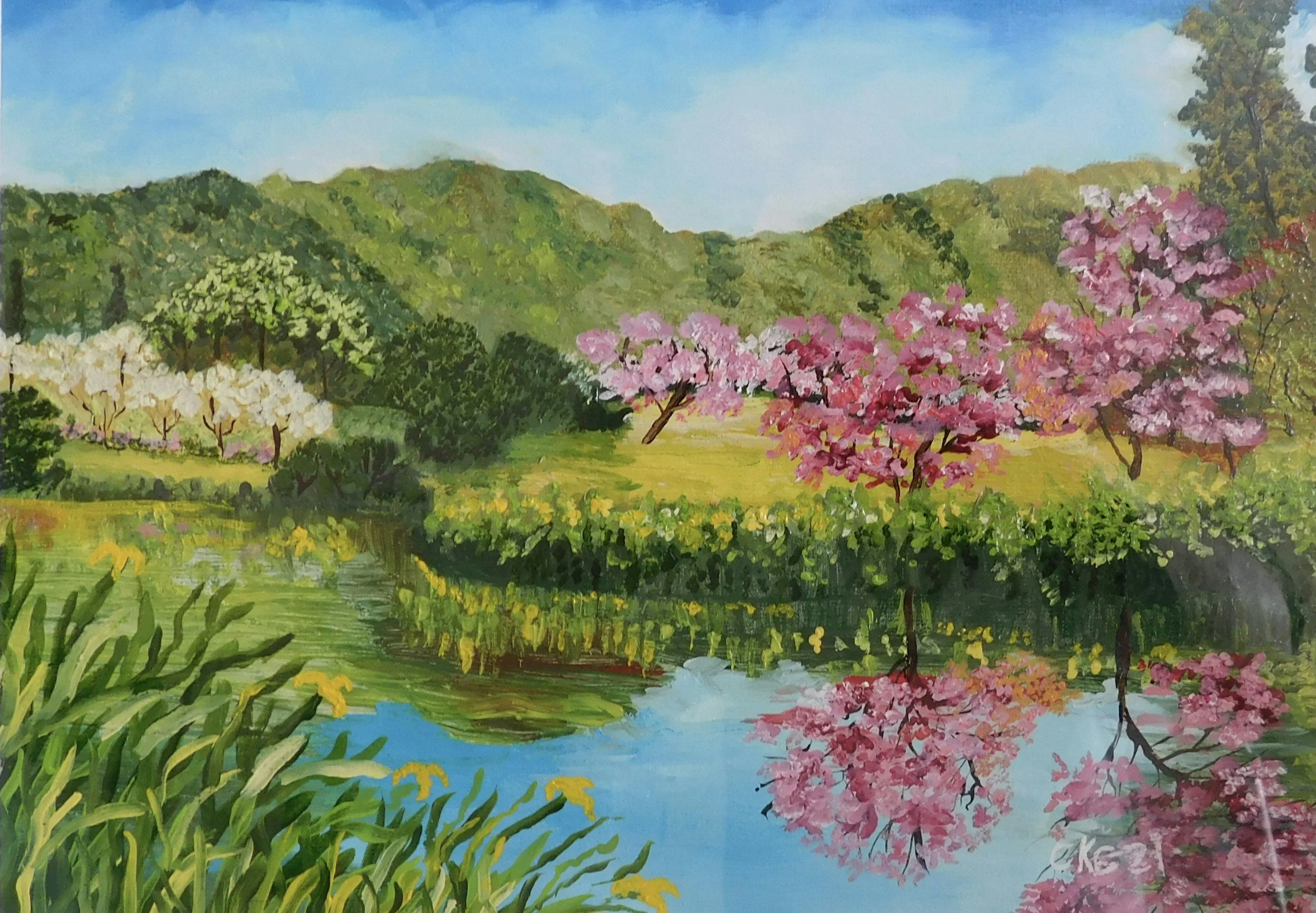
In future posts, we’ll explore these options in detail and break down what new collectors should know at each stage of the process, from budgeting to buying and authenticating. The goal is not to rush a purchase, but to build a foundation that allows collecting to become a meaningful, informed, and lasting part of your life.